Reducing copper price risk: how HISkon+ ALU makes DC cabling predictable and more cost-efficient
Anyone planning large solar projects knows that DC cabling has a decisive influence on project costs, construction time and long-term plant quality. With HISkon+, HIS Technology has developed a pre-assembled plug-and-play cable harness system that addresses exactly this. One cost factor remains, however: copper. This applies to conventional cables as well as to pre-assembled systems. HIS Technology's answer is HISkon+ ALU, a hybrid DC architecture for large PV plants. It combines copper and aluminium cables via certified copper-aluminium transition technology and reduces DC cabling costs by up to 35 %. EPCs thus receive more predictable quotes, and investors a more reliable basis for calculation.
Copper as a costing risk
Copper is a global commodity – and one of the most volatile. Demand from e-mobility, geopolitical supply chain disruptions and speculative movements drive the price in directions that no EPC or investor can control. Between April and October 2026 alone, the price on the London Metal Exchange rose from around 12,150 to around 14,750 USD per tonne (Westmetall, LME copper prices).
For large PV projects, this is a structural problem. DC cabling accounts for a considerable share of material costs in utility-scale plants. Anyone who calculates on the basis of one copper price and purchases months later carries this risk directly into the project calculation – and thus into the return.
The solution: HISkon+ ALU as a hybrid architecture
HISkon+ ALU addresses this problem with a new cabling architecture that makes targeted use of aluminium.
Copper and aluminium differ in weight, conductivity, cost and processing. Aluminium is lighter and structurally cheaper, but requires a larger cross-section and special connection technology for comparable current-carrying capacity. Which material is the right one therefore depends on the string, cable length and project budget.
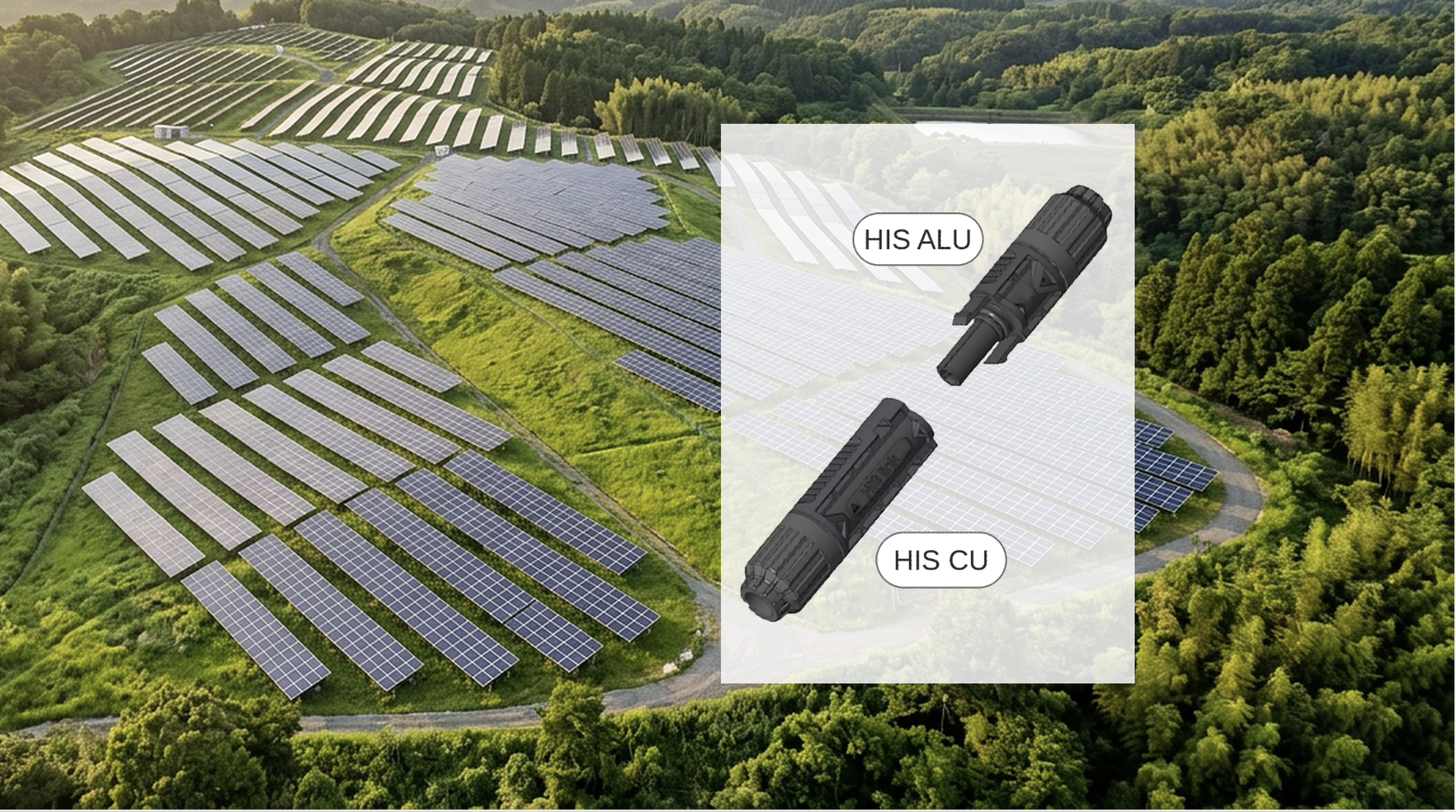
The system combines proven copper string cables with an aluminium DC collecting cable, connected by certified Cu-Al transition technology that is crimped and tested at the factory under controlled conditions.
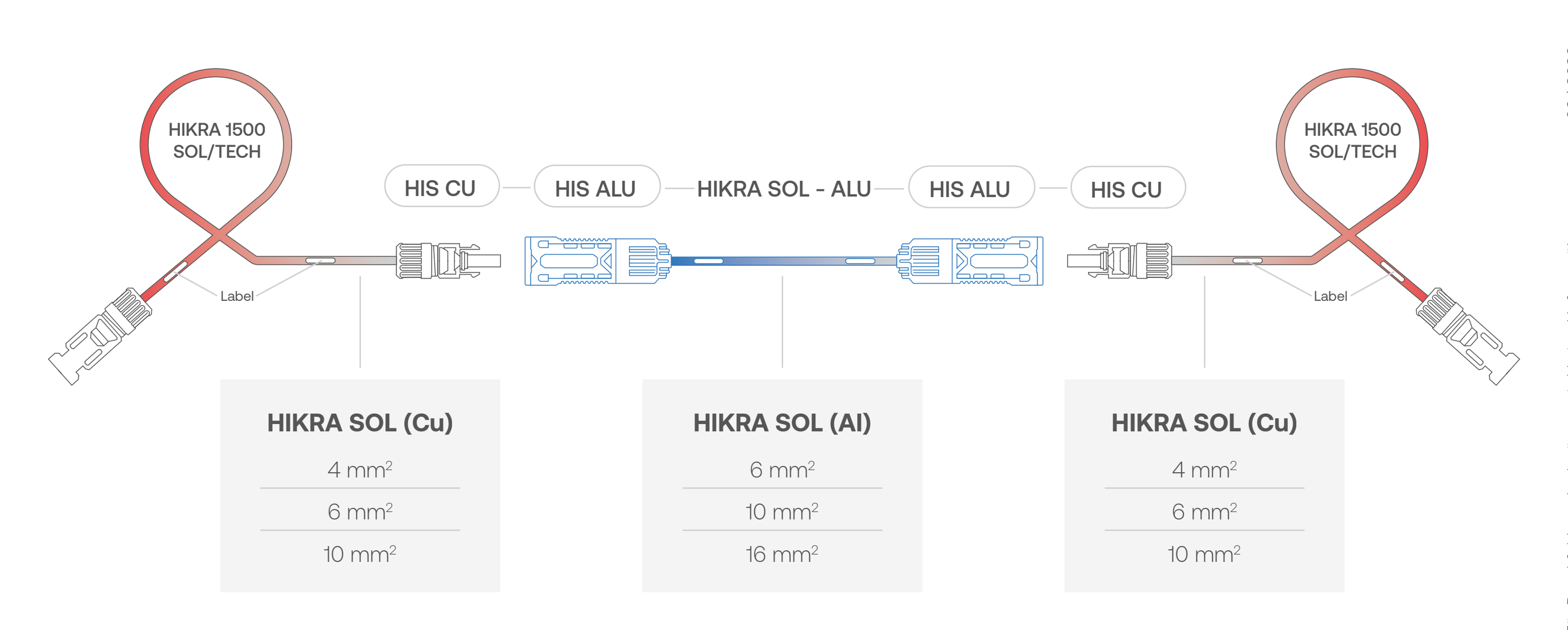
The result is an overall system designed to EN 50618 and IEC 62930, covering system voltages up to 1,500 V DC and operating temperatures from –40 to +85 °C, with an expected service life of 25 years.
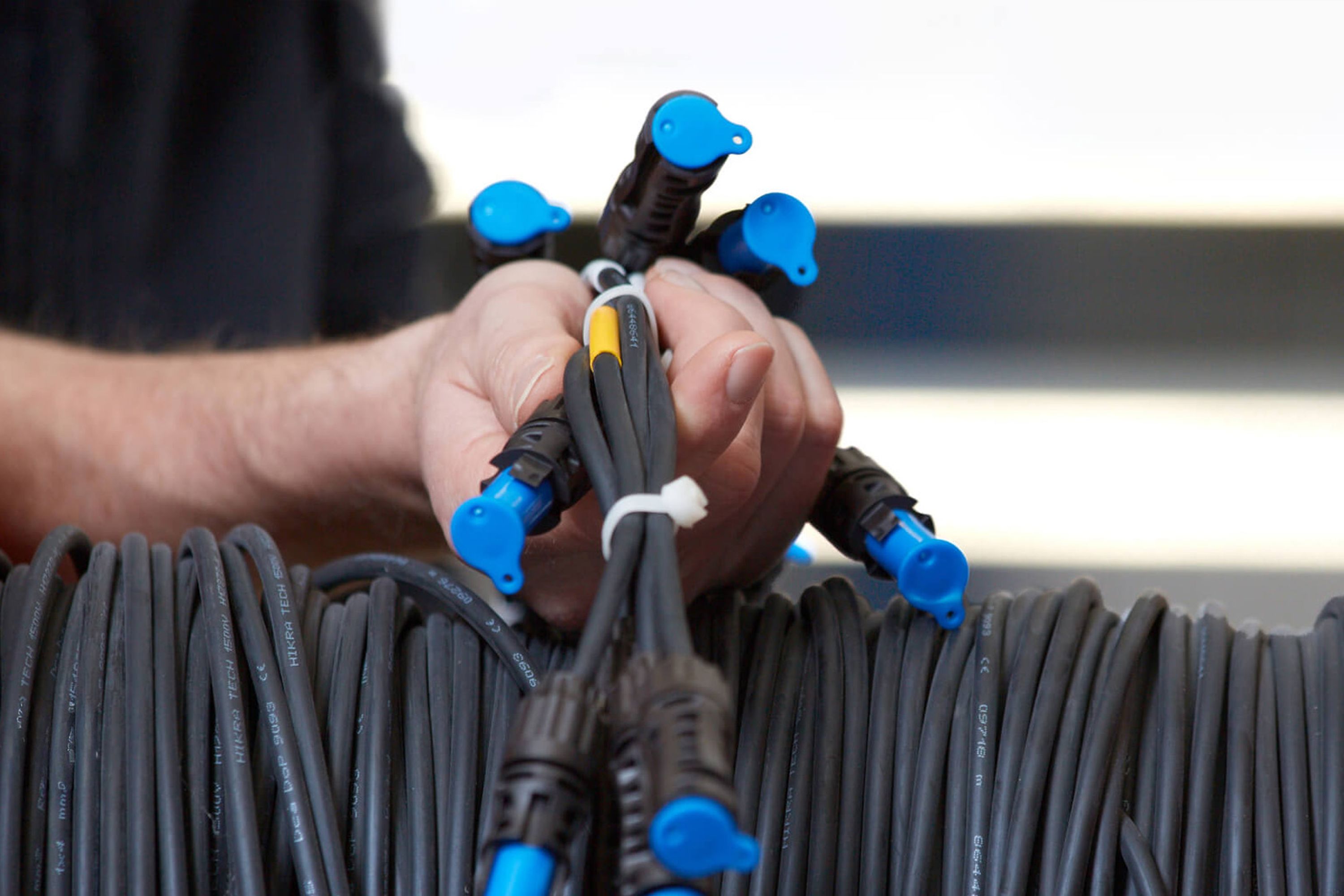
Like all HISkon+ products, HISkon+ ALU is assembled to the exact length at the factory, tested and fitted with connectors. The cables are ready to install, labelled for each project and compatible with Trina TS4, Amphenol H4 and Stäubli MC4-Evo 2. They are delivered in line with construction progress. This largely eliminates cutting, assembling and crimping on the construction site.
Cost levers and savings potential of HISkon+ ALU
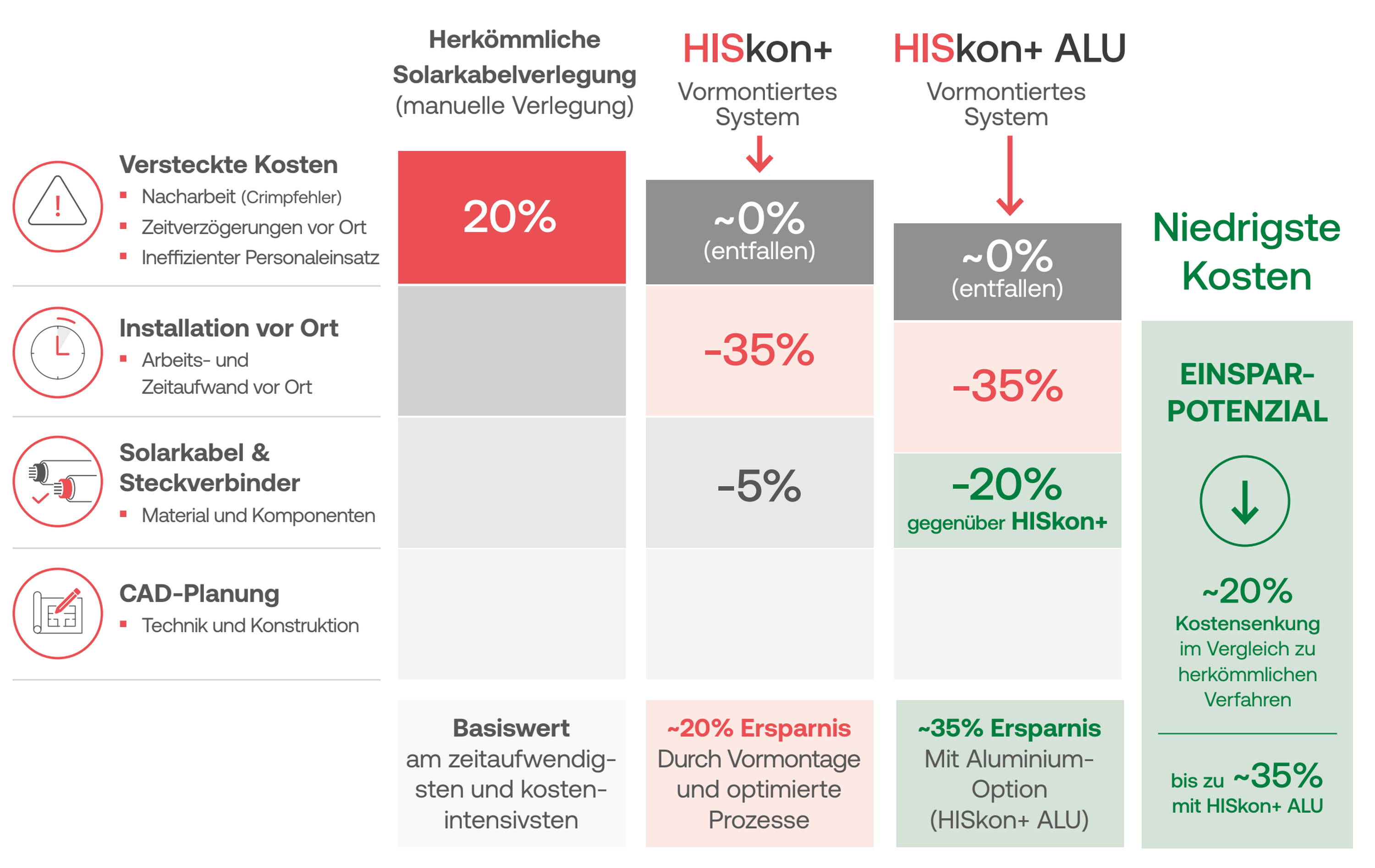
By using aluminium, the copper content of HISkon+ ALU is reduced to a minimum. This makes projects less dependent on raw material prices, and the costs of solar cables and connectors fall by approx. 20 to 25 % compared with traditional cabling.
In addition, pre-assembly saves the costs that would otherwise arise during installation on site. As with HISkon+, this effect of around 35 % results from factory production and delivery in line with construction progress. Work on the construction site is thus largely eliminated.
Pre-assembly also prevents hidden costs that can arise with conventional cabling due to crimping errors, delays and inefficient use of personnel. Overall, this results in cost savings of up to 35 % for the entire project compared with traditional cabling.
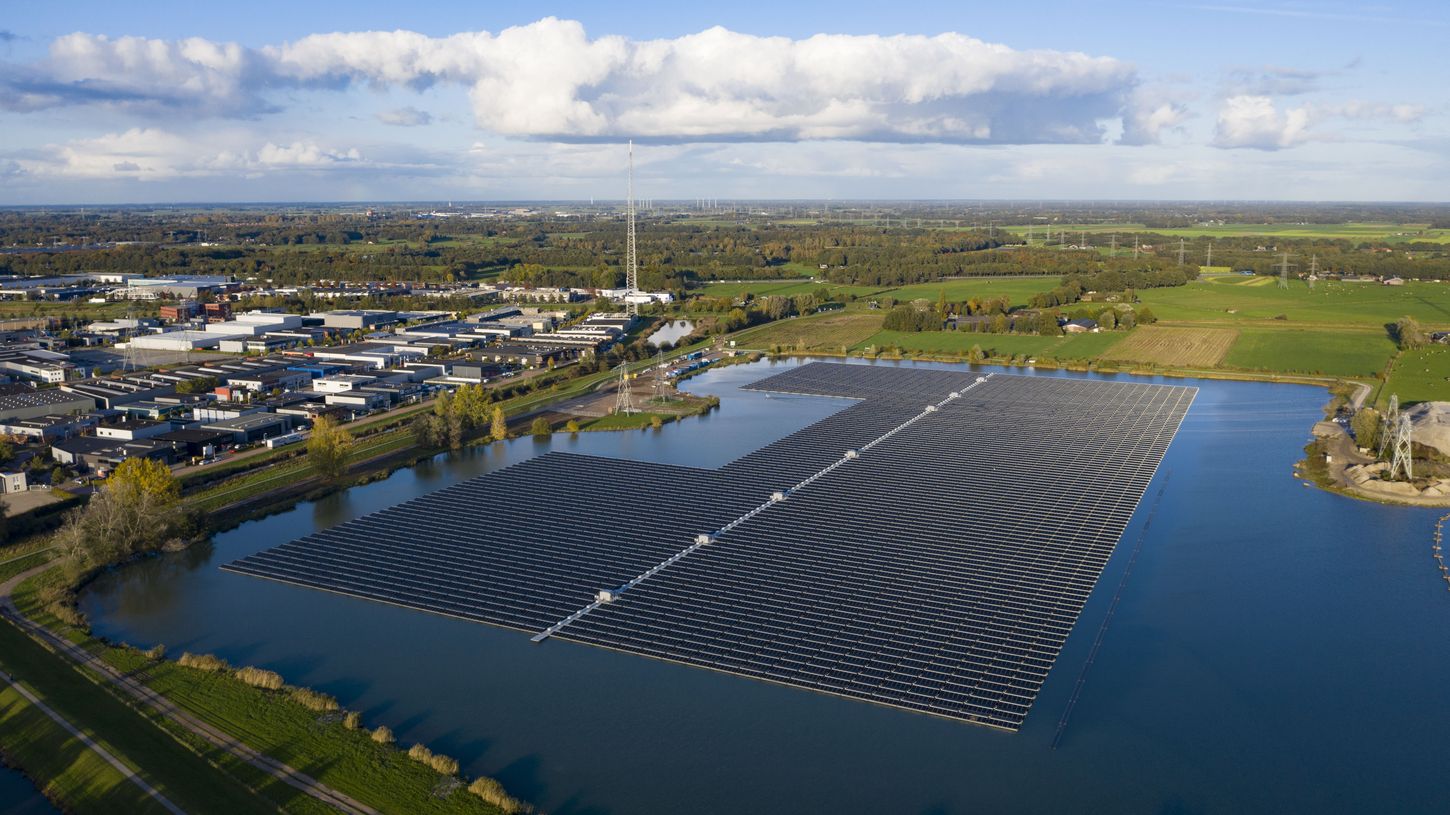
With floating PV systems, another advantage comes into play: weight. Aluminium is significantly lighter than copper. In projects with cable quantities in the kilometre range, the weight reduction of the collecting cable has a direct impact on the dimensioning of the floating structures.
This makes HISkon+ ALU suitable for floating PV applications. The components are designed for the water environment: IP68 protection rating, UV resistance, watertightness and testing according to TÜV 2 PfG 2750, the test standard for floating PV applications.
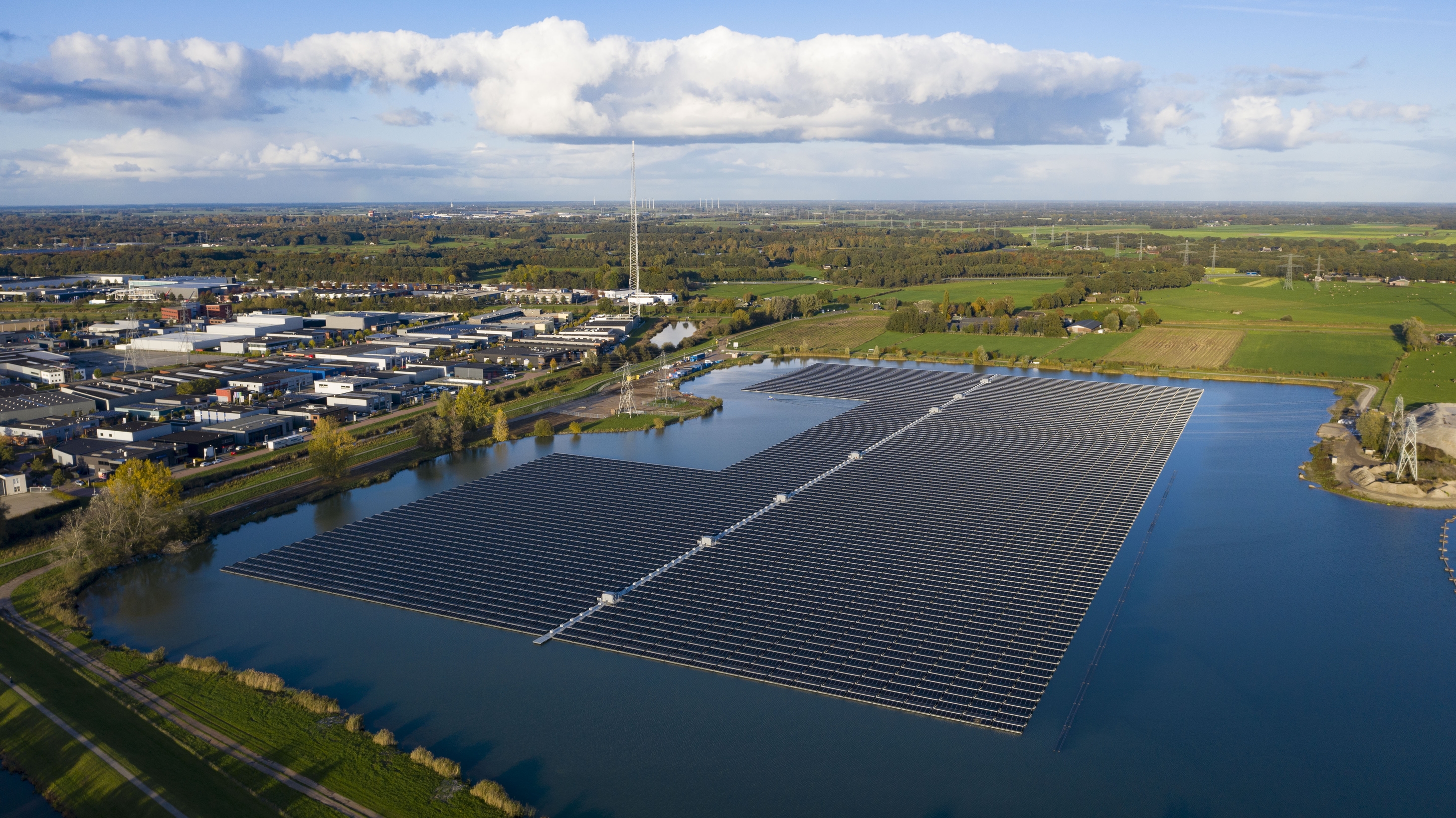
A reference project shows what this looks like in practice. At Philippsee in Bad Schönborn, O&L Nexentury, together with Kieswerk Philipp & Co KG, has realised a 15 MW floating PV plant with around 27,000 modules. The plant went into operation in 2024 and, according to the operator, was Germany's largest of its kind at the time of its inauguration. HIS supplied the pre-assembled cable systems and was involved in the planning at an early stage to accelerate installation on the water. Accompanying environmental monitoring also shows that a new habitat is emerging on the water surface.
HIS Technology as engineering partner for the entire DC side
From CAD planning, material selection and project-specific assembly to ready-to-install delivery in line with construction progress, we match every component to the overall system. EPCs thus receive a single point of contact for the DC side, less coordination effort and greater project security. Investors get a cost basis from a single source that can be calculated transparently from planning to delivery.
The right variant for every project
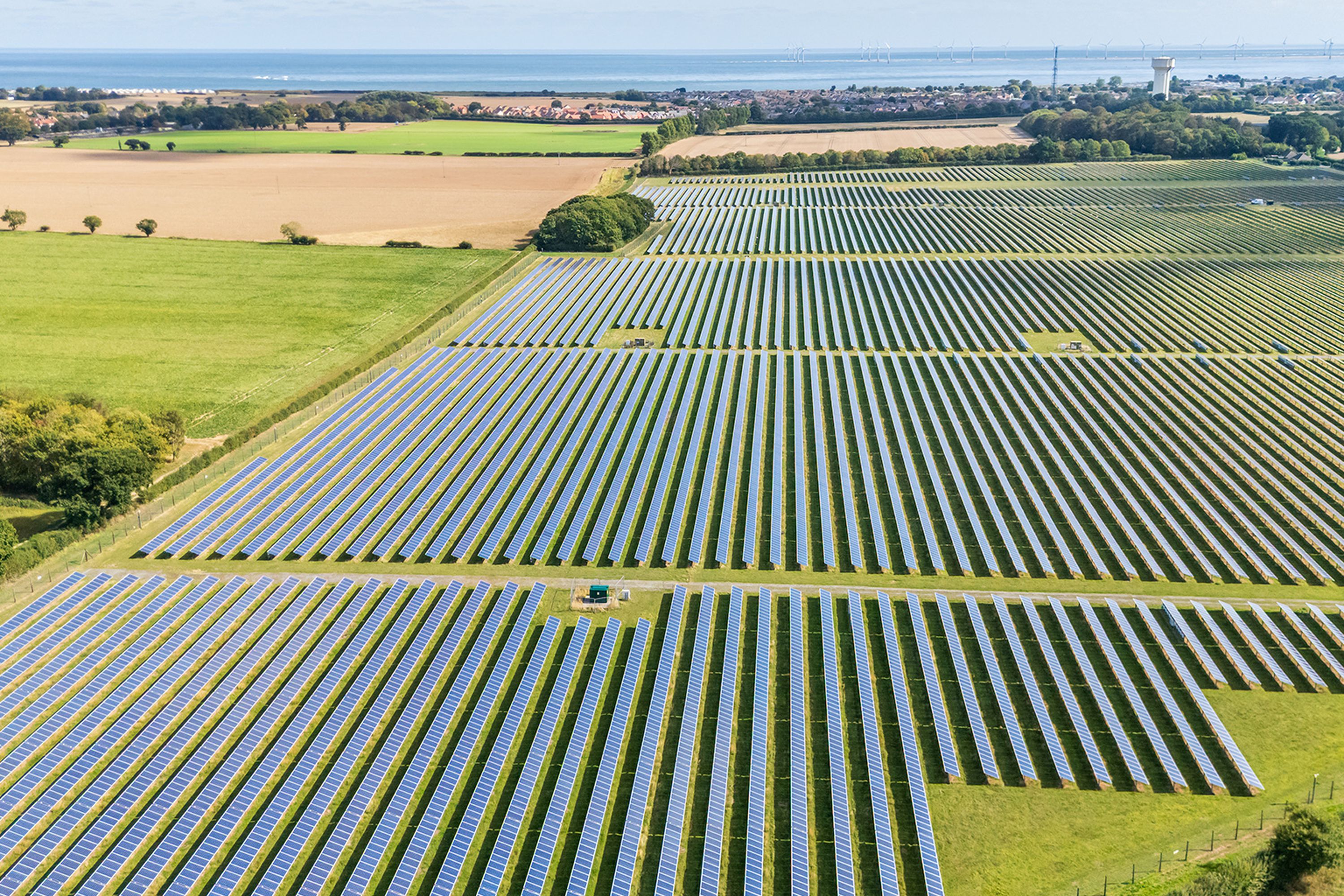
However, aluminium is not the right choice for every project. The cost advantage unfolds with large cable quantities and long collecting cables, typically in utility-scale and floating PV projects. For medium-sized ground-mounted plants with a manageable amount of cable, or for rooftop systems and smaller C&I projects with short string runs, the effort for the Cu-Al transitions often does not pay off. There, HISkon+ in the copper variant is the right solution. It offers the advantages of pre-assembly in terms of installation time and crimp quality, without any aluminium content.
Which variant suits a specific project depends on factors such as cable quantity, cable lengths, location and material prices. We evaluate these factors together with your planning team in an individual project consultation. Based on the specific cable plan, an analysis is created that compares the variants and discloses all assumptions. This allows you to base your decision on your own figures.
Have the savings for your project calculated now! Send us your cable plan and we will prepare a tailor-made savings analysis for your next project.
Enquire about a projectRelated posts
Rely on safety when it comes to fire protection
The saying "safety first" is certainly very important in many areas of life. Everyone is talking about different topics: financial, private, professional. One aspect that concerns us all is fire protection. This level of safety in the event of a fire is particularly high in public buildings such as hospitals, care facilities or daycare centers.
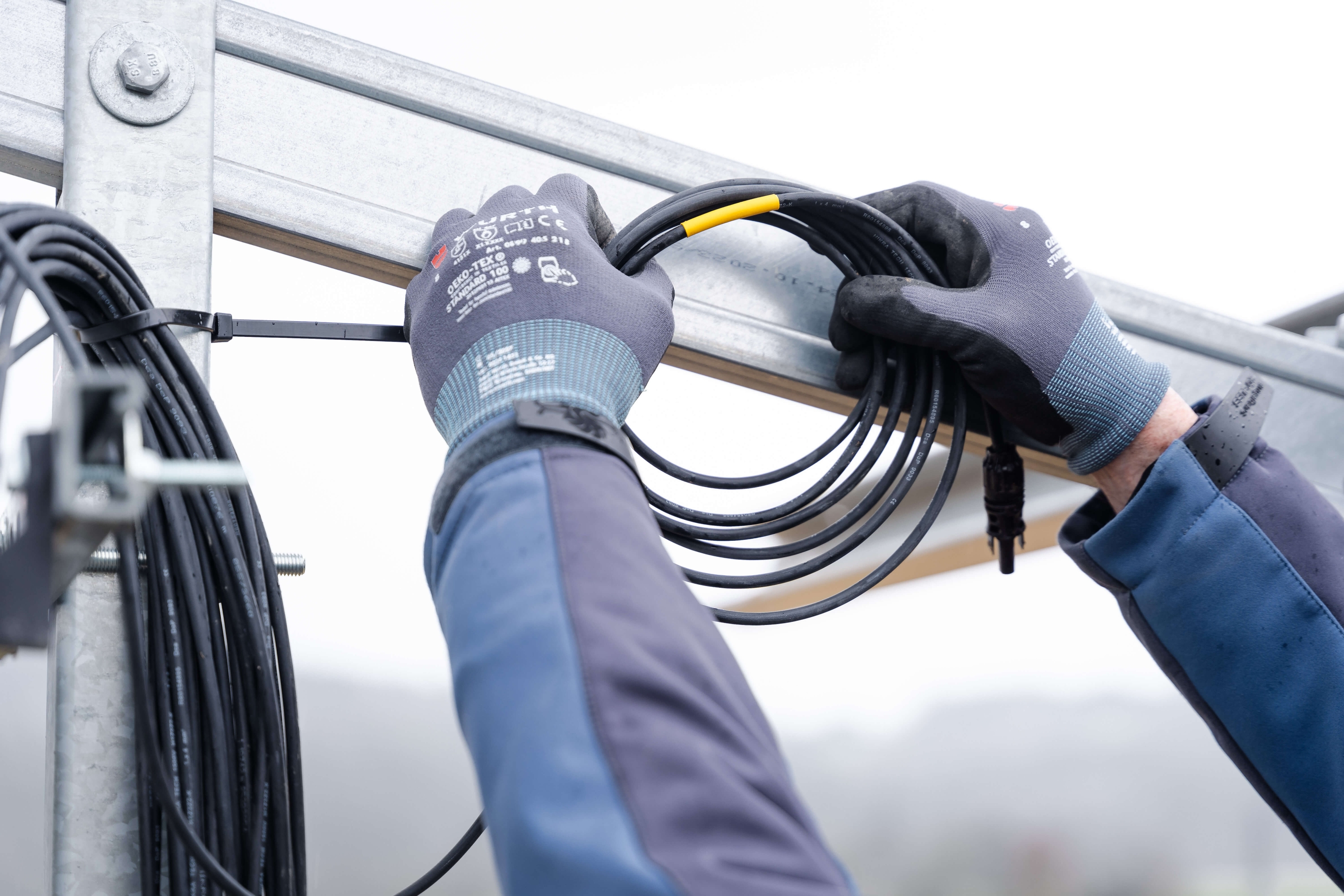
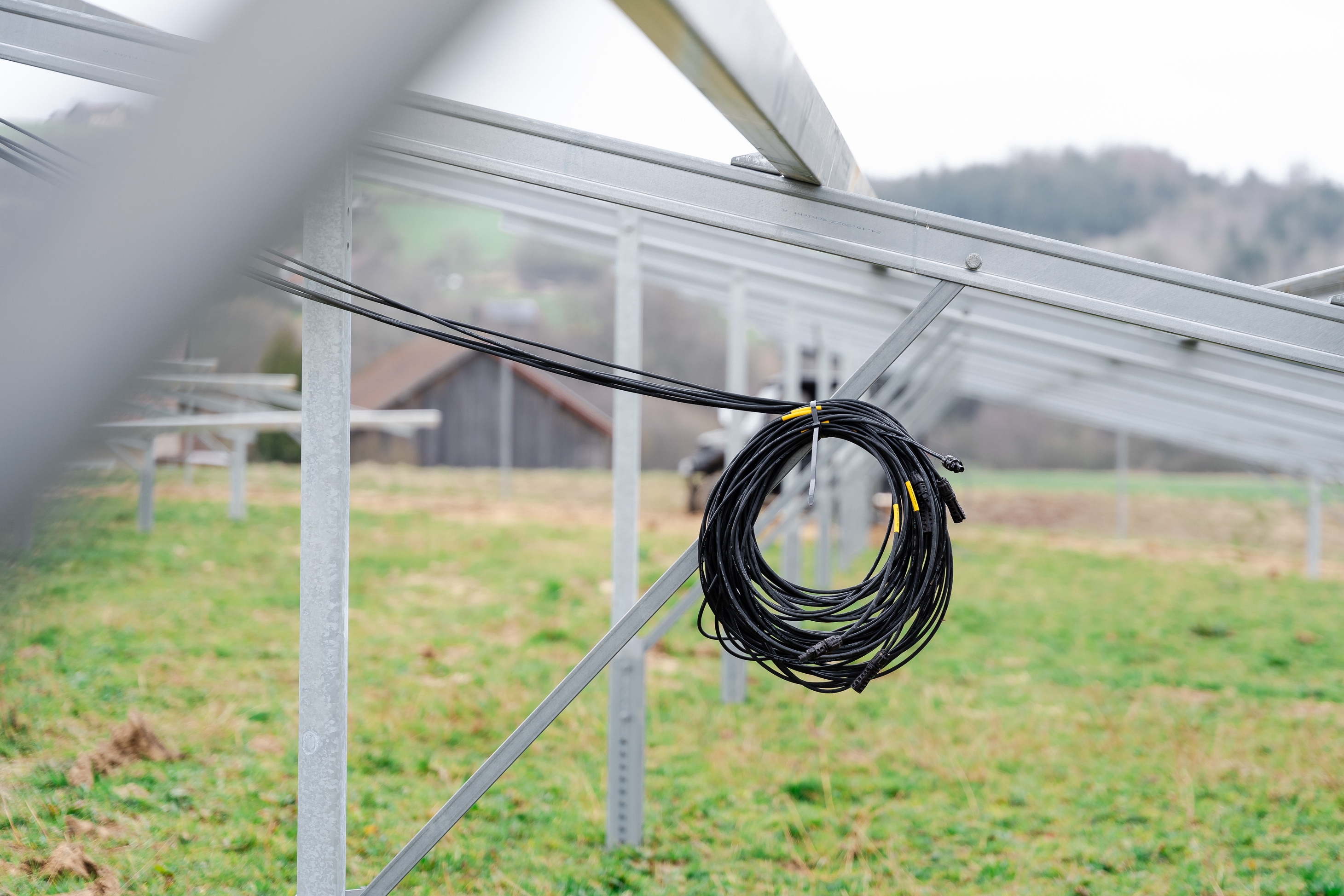
Pre-assembled cable harnesses vs. on-site assembly
Time is money – this old saying is especially true when installing solar power plants. Cabling is a critical cost factor that is often underestimated. But this is precisely where there is significant potential for savings: up to 20% of the total costs can be saved by using pre-assembled cable harnesses. How is this possible?
Thermal and mechanical resilience of solar cables in desert regions
The requirements for solar cables in desert regions are extreme: temperatures of over 60°C, intense UV radiation, sandstorms and strong temperature fluctuations between day and night place the highest demands on the materials used. In our laboratory studies, we have investigated how these extreme conditions affect the long-term durability of solar cables and which technical solutions offer optimum protection.
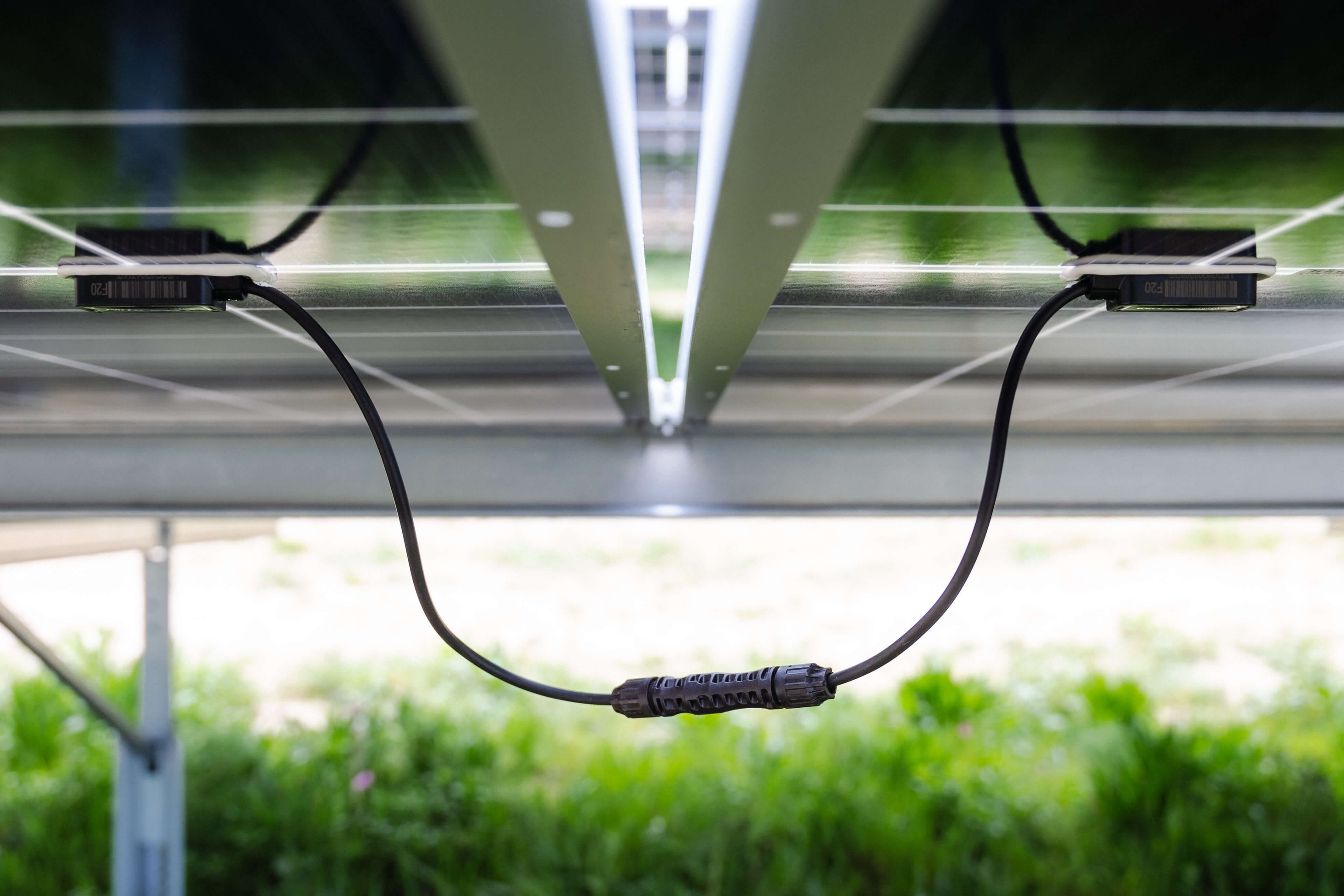
MC4 connectors: Quality determines solar system safety
They are small, inconspicuous and yet crucial for the reliability of any photovoltaic system: MC4 connectors. As a standardized interface between solar modules, inverters and other components, they play a key role in the safety and longevity of solar installations. But what makes a really good connector?
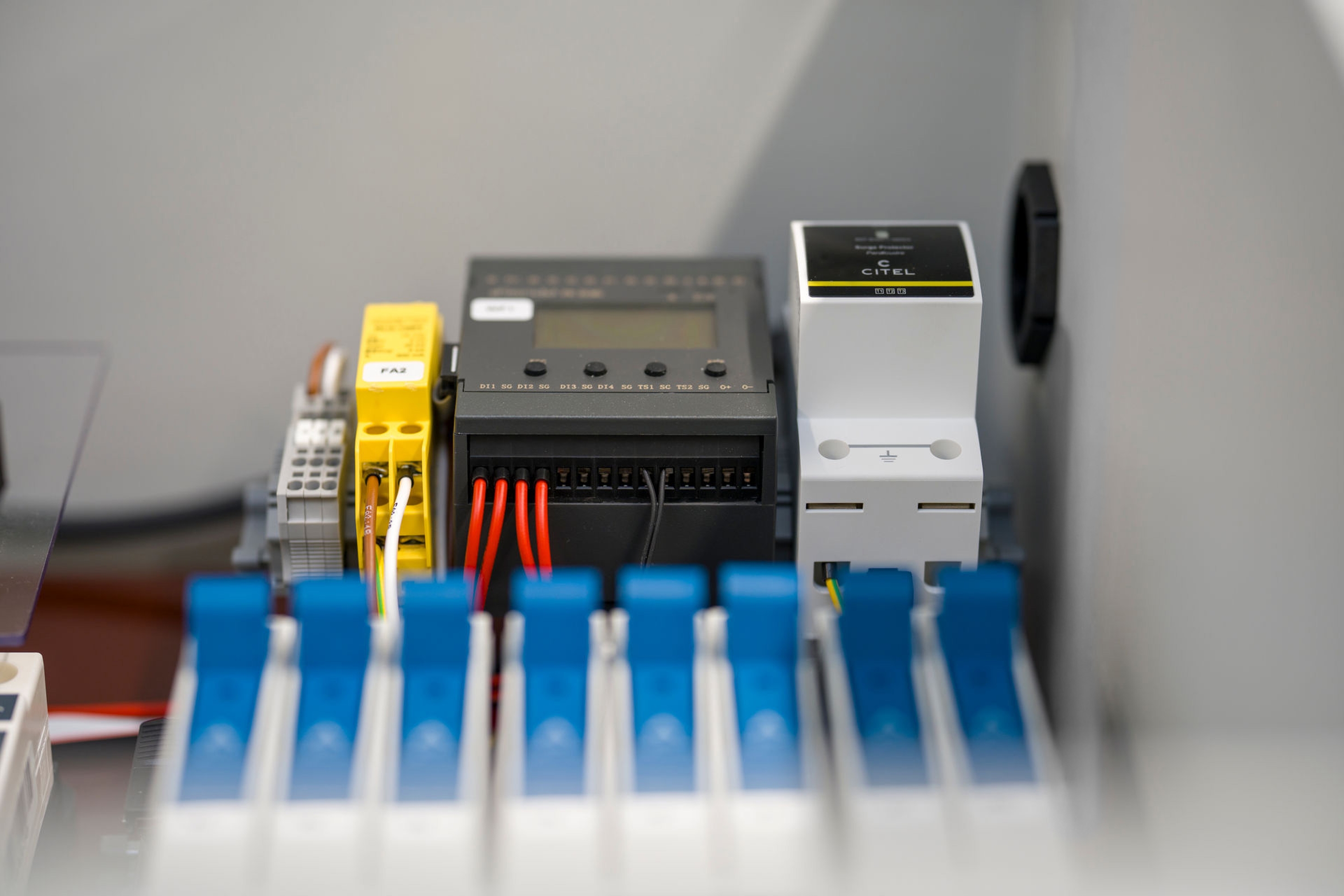
Smart monitoring in combiner boxes
Detect problems at an early stage, optimize yields and reduce maintenance costs - intelligent combiner boxes (GAKs) are evolving from simple protection devices to the digital control center of modern PV systems. A development that is fundamentally changing the monitoring of solar parks.
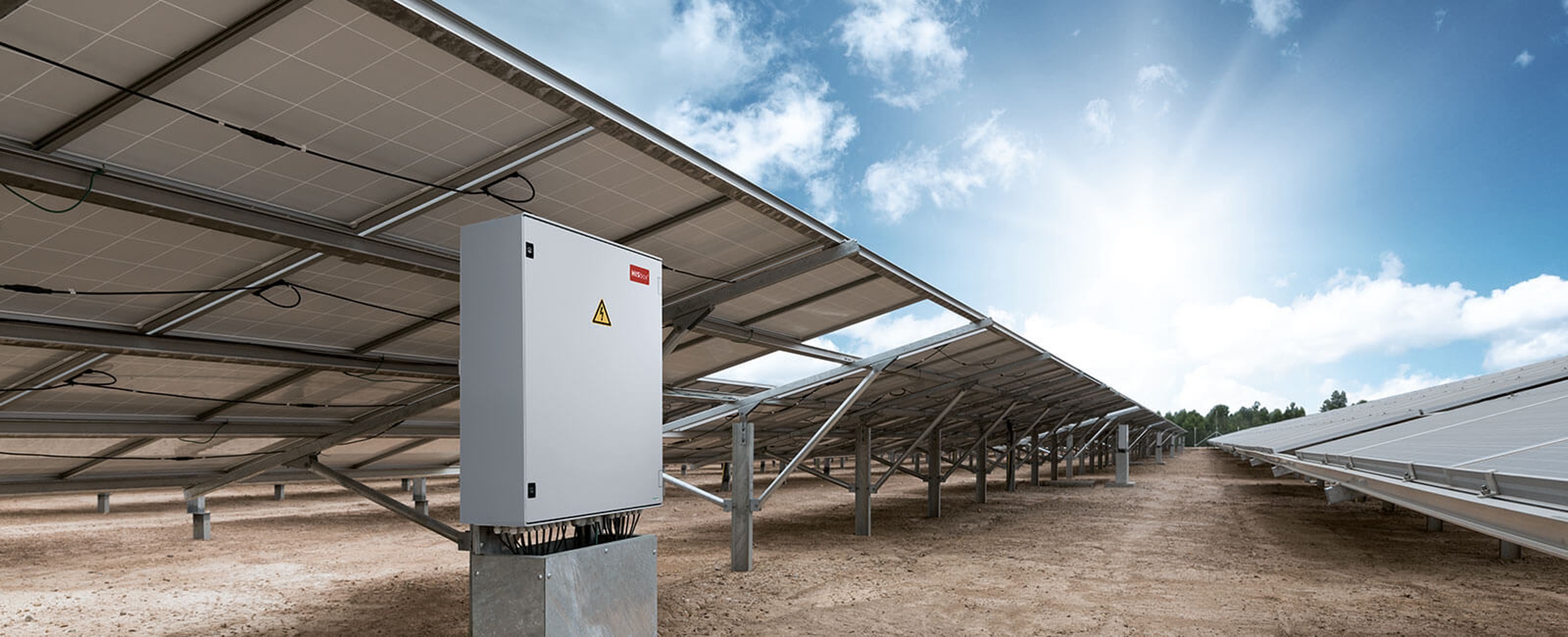
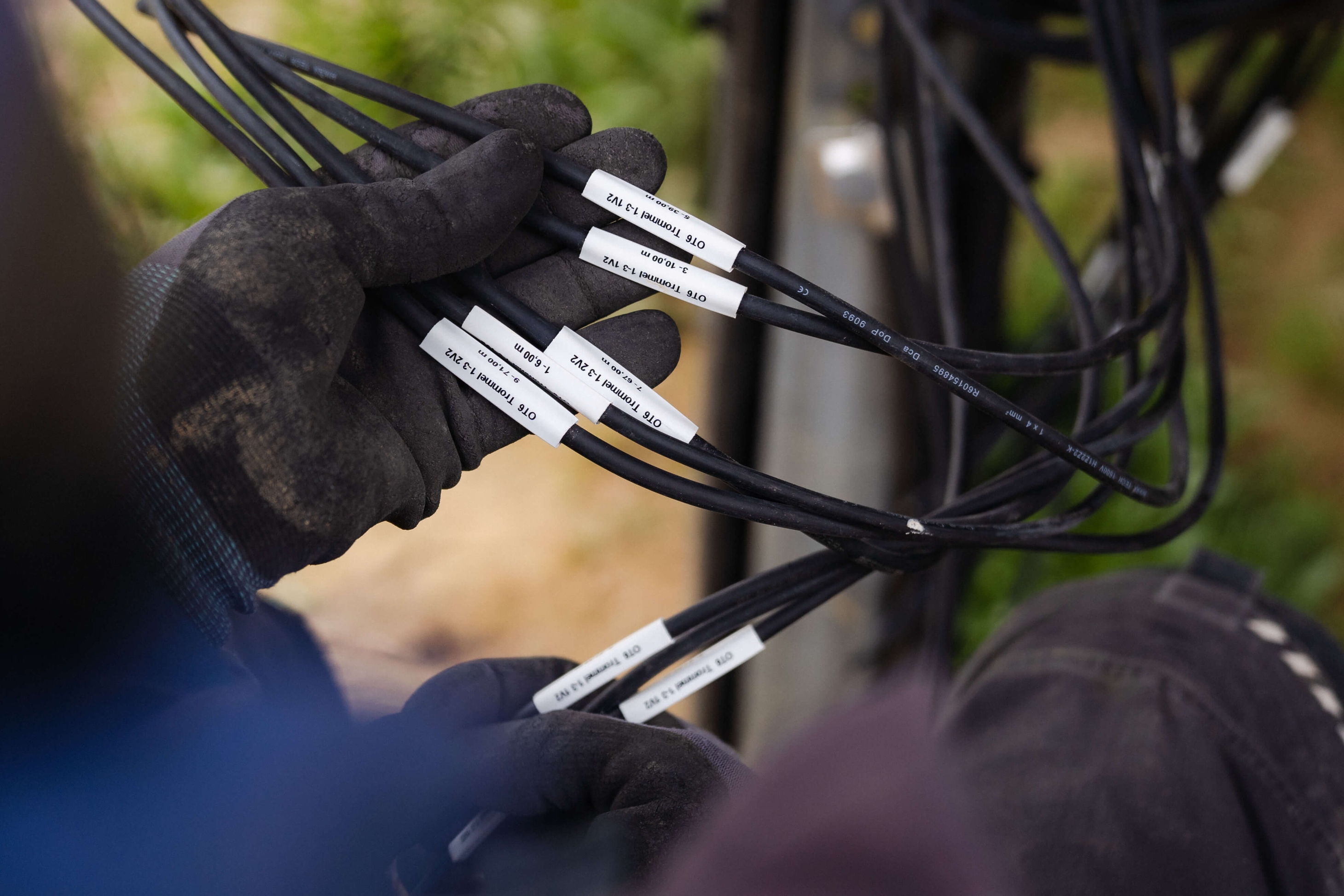
Customised cable solutions: The key to PV system efficiency
Discussions about efficient solar power plants often focus on modules and inverters. However, one often overlooked factor plays a crucial role in determining the performance and durability of the entire system: the quality and design of the cabling. Especially in large-scale projects, custom cable solutions can make all the difference.