Dimensioning of combiner boxes: From the standard solution to the project-specific configuration
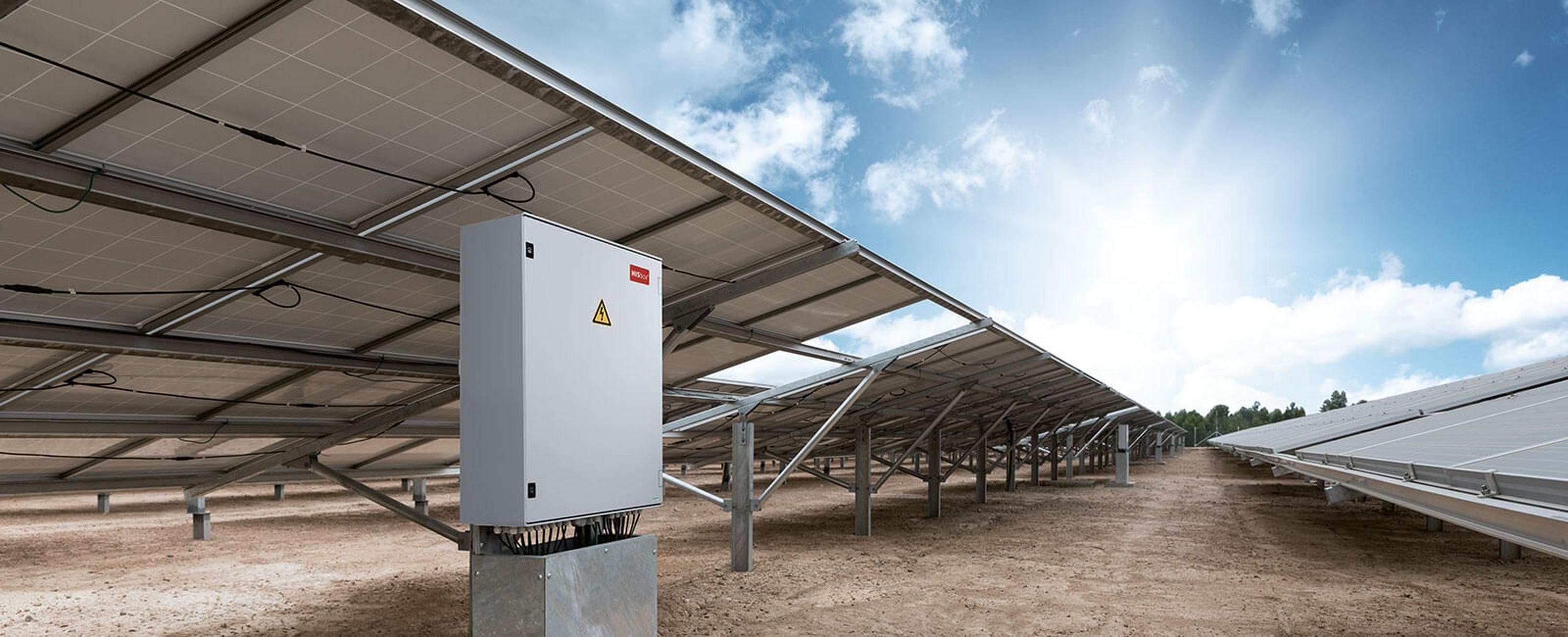
When planning large-scale PV systems, the correct dimensioning of combiner boxes (GAK) is a key decision. While standard solutions are sufficient for many applications, complex projects often require customized configurations. The trick is to recognize when which approach is the right one.
Evolution of System Monitoring
Classic Combiner Boxes primarily serve protection and switching functions. Modern GJBs, however, are intelligent hubs that continuously monitor and analyze operational parameters:
String currents and voltages in real-time
Temperature development at critical points
Insulation values and ground fault monitoring
Status of surge protection and fuses
Environmental conditions and weather parameters
Data as the Key to System Efficiency
The quality of system monitoring reaches an entirely new level with smart monitoring. Precise fault diagnostics enable exact localization of disruptions down to the string level, distinguishing between critical and non-critical deviations. Degradation phenomena are detected early, allowing timely countermeasures to be implemented.
Advanced trend analyses facilitate predictive maintenance, identifying gradual performance declines and optimizing maintenance schedules. Performance optimization benefits from detailed yield analyses per string, providing valuable insights into optimization potential by comparing system components under identical conditions.
Digital Integration Adds Value
Modern monitoring systems in GJBs are more than just data collectors:
Smart Data Processing:
Automated plausibility checks
Self-learning algorithms for anomaly detection
Correlation analyses with weather data
Seamless Communication:
Standardized protocols (Modbus, TCP/IP)
Cloud integration for remote access
Automatic alerts for critical conditions
Visualization and Reporting:
Intuitive dashboards
Automated report generation
Export functions for documentation
Economic Benefits of Smart Monitoring
The integration of intelligent monitoring systems unlocks diverse economic opportunities. In terms of operational costs, it leads to a significant reduction in unplanned maintenance efforts and more efficient fault detection, resulting in optimized maintenance planning. System availability benefits from faster fault resolution and the prevention of consequential damages, minimizing downtime.
Notably, improved system performance ensures maximum energy yield through continuous performance optimization and early detection of degradation. This combination of cost savings and performance enhancement delivers sustainable economic value.
Practical Implementation
The successful integration of smart monitoring systems depends on the following key factors:
System Architecture:
Scalable solutions for various plant sizes
Future-proof communication standards
Durable hardware for outdoor applications
Data Management:
Secure data transmission and storage
Efficient data processing
Flexible export options
User-Friendliness:
Intuitive user interfaces
Customizable alert systems
Mobile access options
Conclusion: The Path to an Intelligent PV System
Smart monitoring in combiner boxes represents a turning point in the evolution of modern PV systems. It combines precise monitoring with intelligent data analysis and predictive maintenance into a holistic concept, enabling maximum system performance with minimized operational effort. Early consideration of this technology during the planning phase is crucial to fully harness its benefits.
Modern GJBs with smart monitoring capabilities are not just a technological upgrade—they are a strategic investment in the sustainability and profitability of the entire PV system. This integration of intelligent monitoring and predictive maintenance lays the foundation for a sustainable and efficient system operation that meets the growing demands of modern solar parks.
Related posts
Reducing copper price risk: how HISkon+ ALU makes DC cabling predictable and more cost-efficient
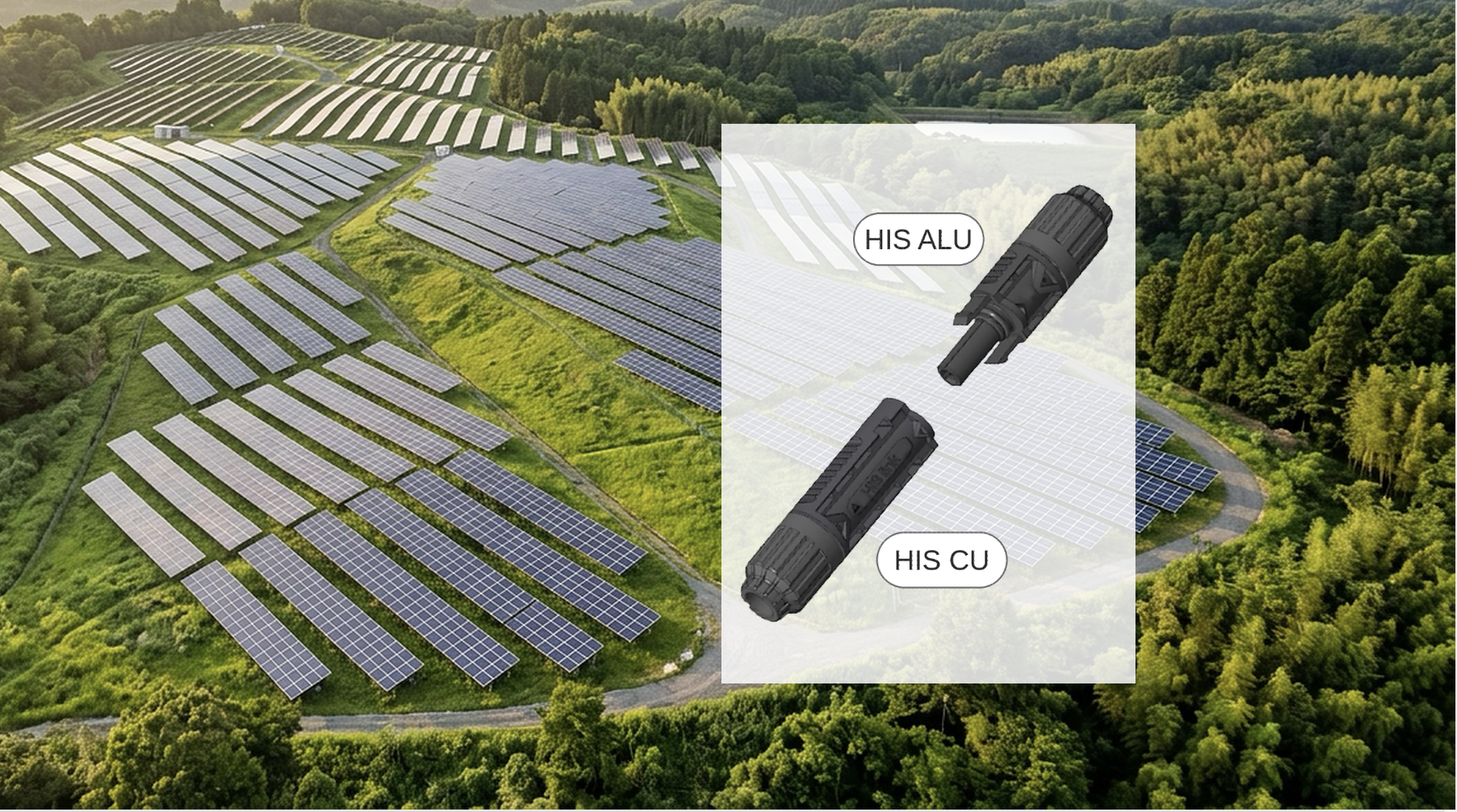
Anyone planning large solar projects knows that DC cabling has a decisive influence on project costs, construction time and long-term plant quality. With HISkon+, HIS Technology has developed a pre-assembled plug-and-play cable harness system that addresses exactly this. One cost factor remains, however: copper. This applies to conventional cables as well as to pre-assembled systems. HIS Technology's answer is HISkon+ ALU, a hybrid DC architecture for large PV plants. It combines copper and aluminium cables via certified copper-aluminium transition technology and reduces DC cabling costs by up to 35 %. EPCs thus receive more predictable quotes, and investors a more reliable basis for calculation.
Rely on safety when it comes to fire protection
The saying "safety first" is certainly very important in many areas of life. Everyone is talking about different topics: financial, private, professional. One aspect that concerns us all is fire protection. This level of safety in the event of a fire is particularly high in public buildings such as hospitals, care facilities or daycare centers.
Pre-assembled cable harnesses vs. on-site assembly
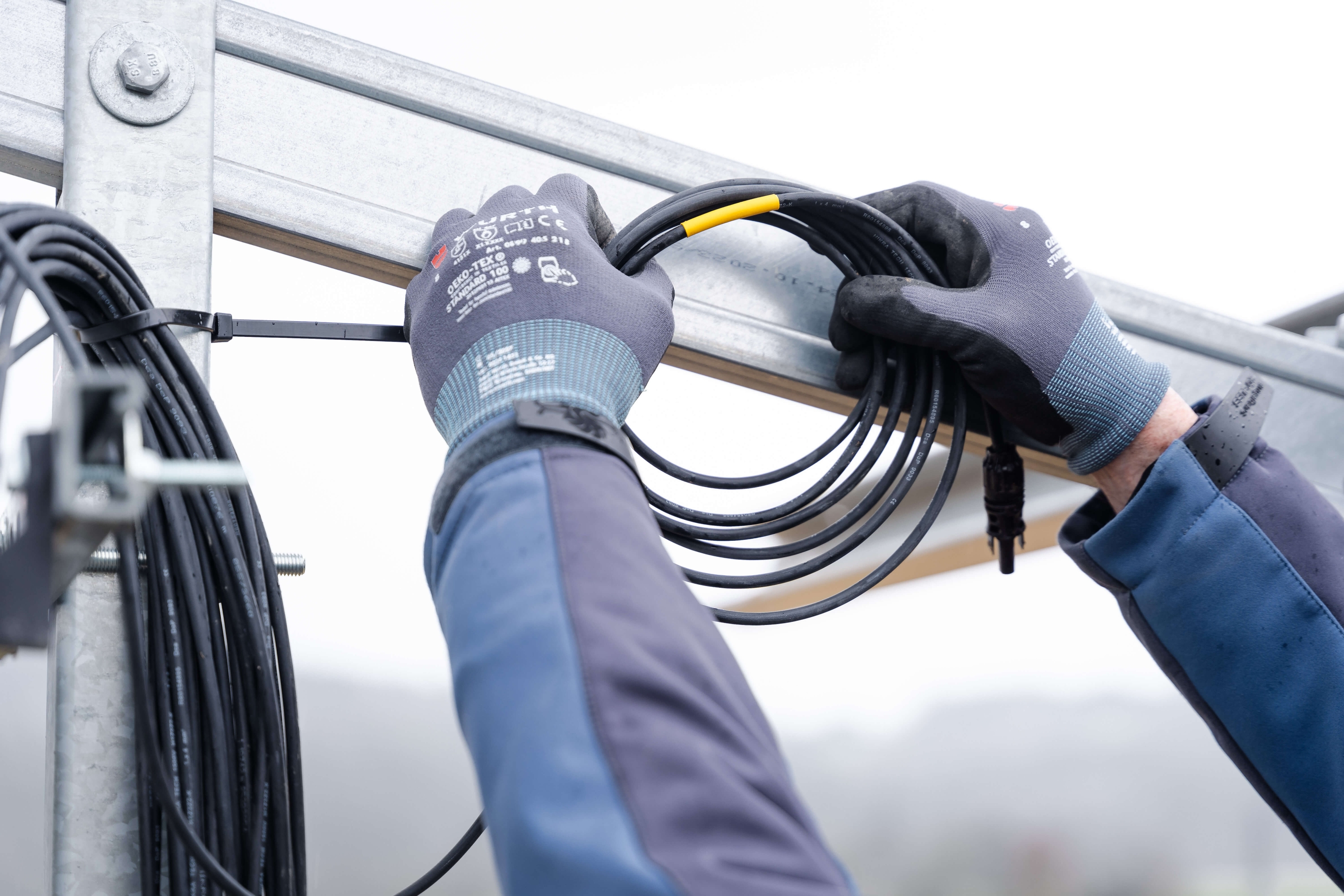
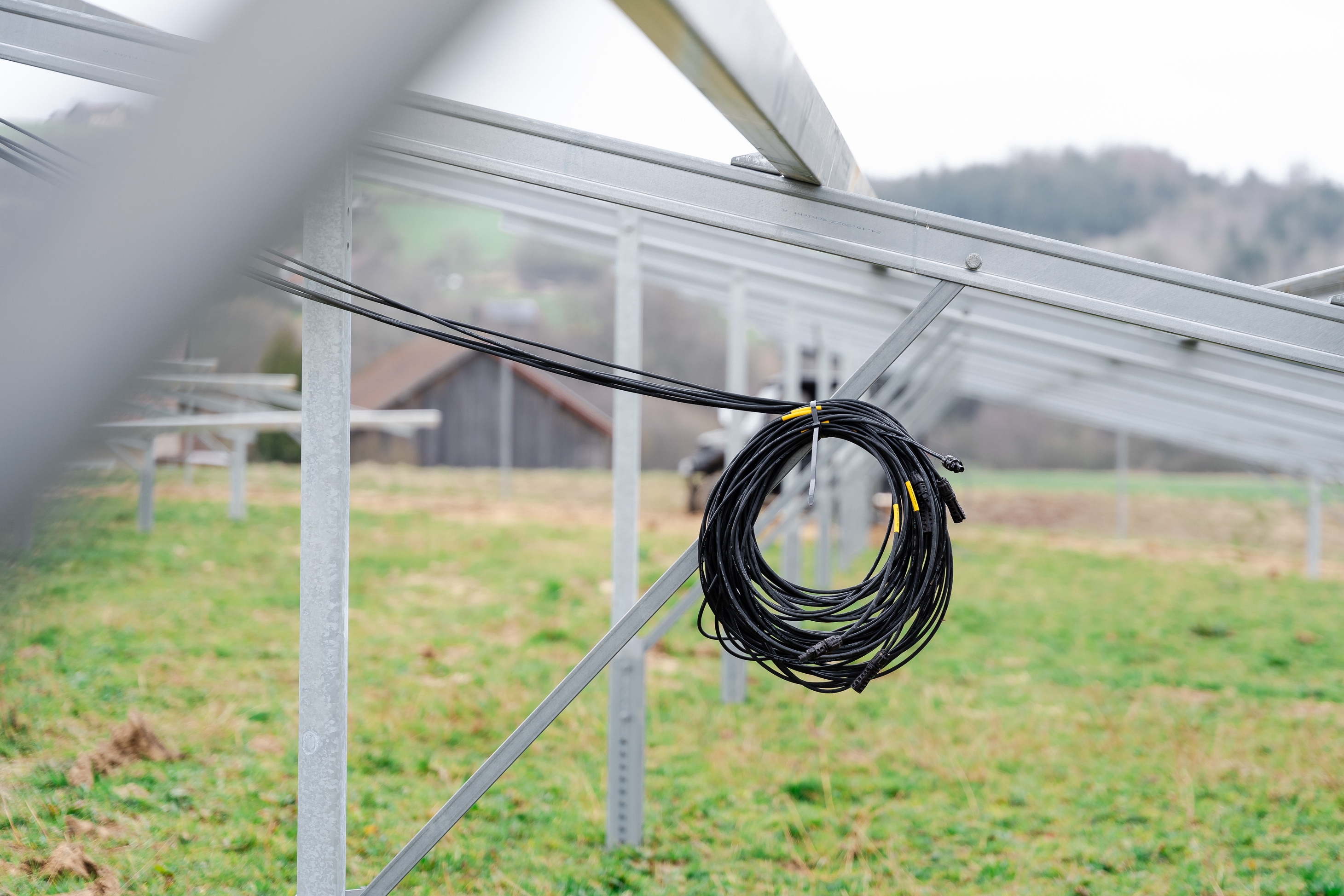
Time is money – this old saying is especially true when installing solar power plants. Cabling is a critical cost factor that is often underestimated. But this is precisely where there is significant potential for savings: up to 20% of the total costs can be saved by using pre-assembled cable harnesses. How is this possible?
Thermal and mechanical resilience of solar cables in desert regions
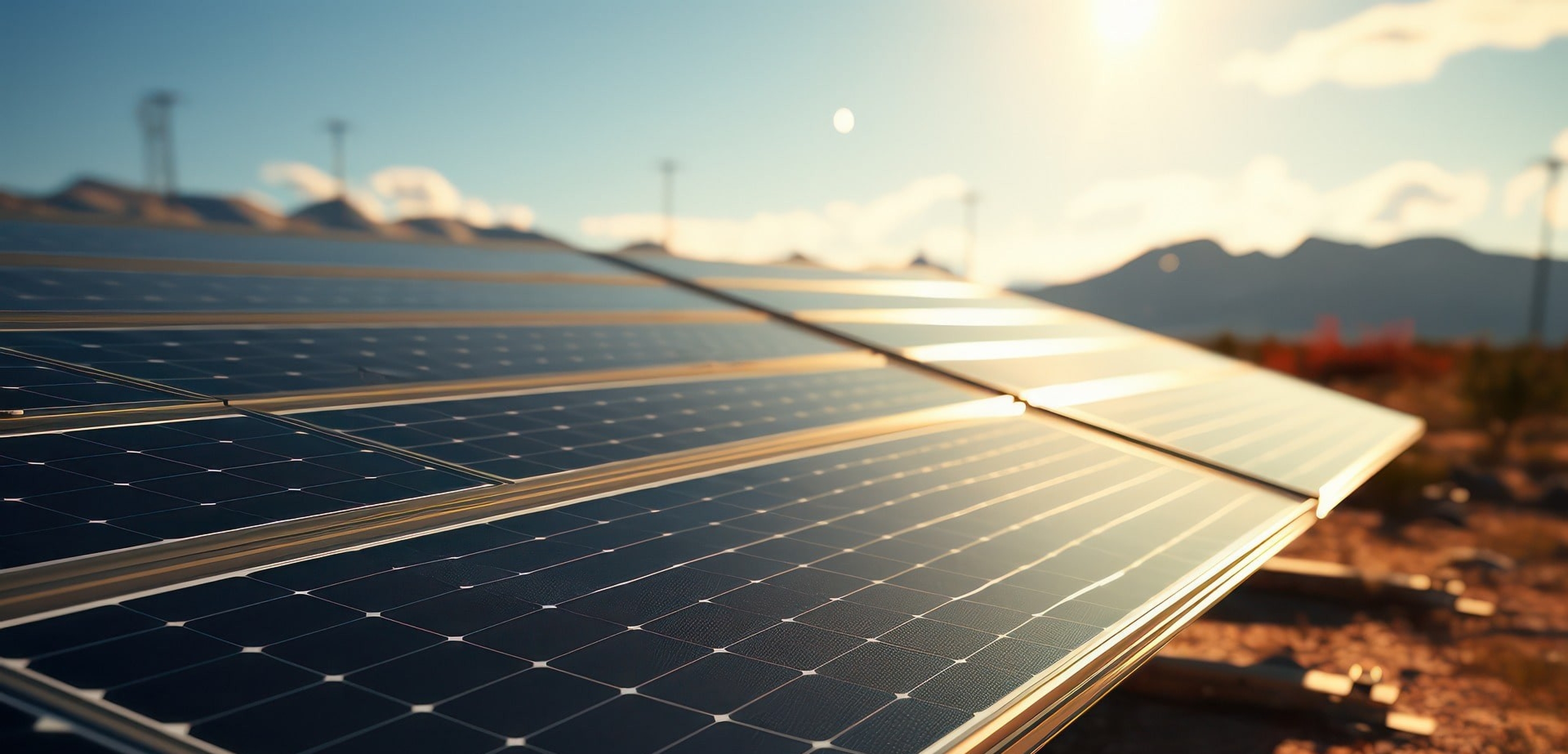
The requirements for solar cables in desert regions are extreme: temperatures of over 60°C, intense UV radiation, sandstorms and strong temperature fluctuations between day and night place the highest demands on the materials used. In our laboratory studies, we have investigated how these extreme conditions affect the long-term durability of solar cables and which technical solutions offer optimum protection.
MC4 connectors: Quality determines solar system safety
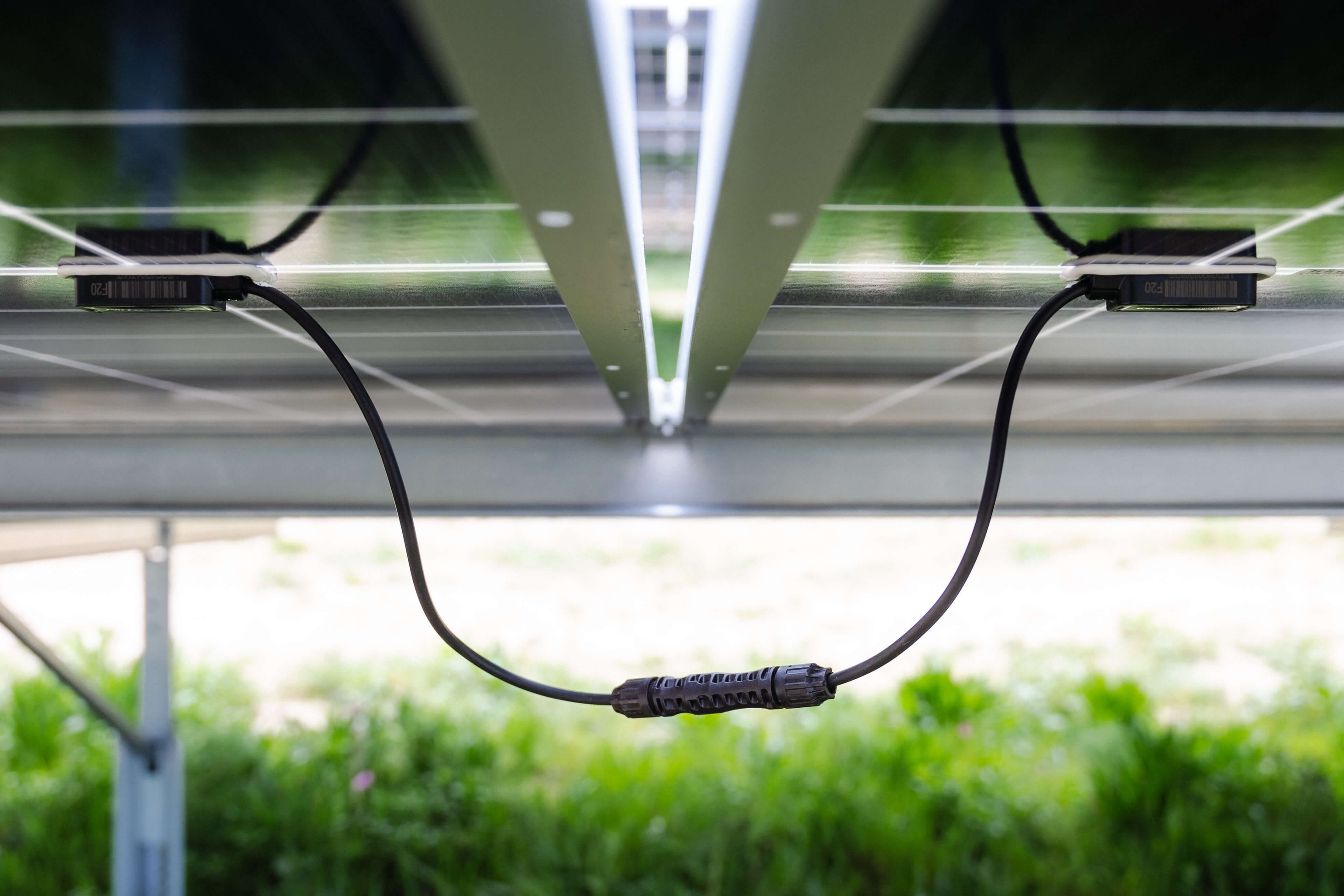
They are small, inconspicuous and yet crucial for the reliability of any photovoltaic system: MC4 connectors. As a standardized interface between solar modules, inverters and other components, they play a key role in the safety and longevity of solar installations. But what makes a really good connector?
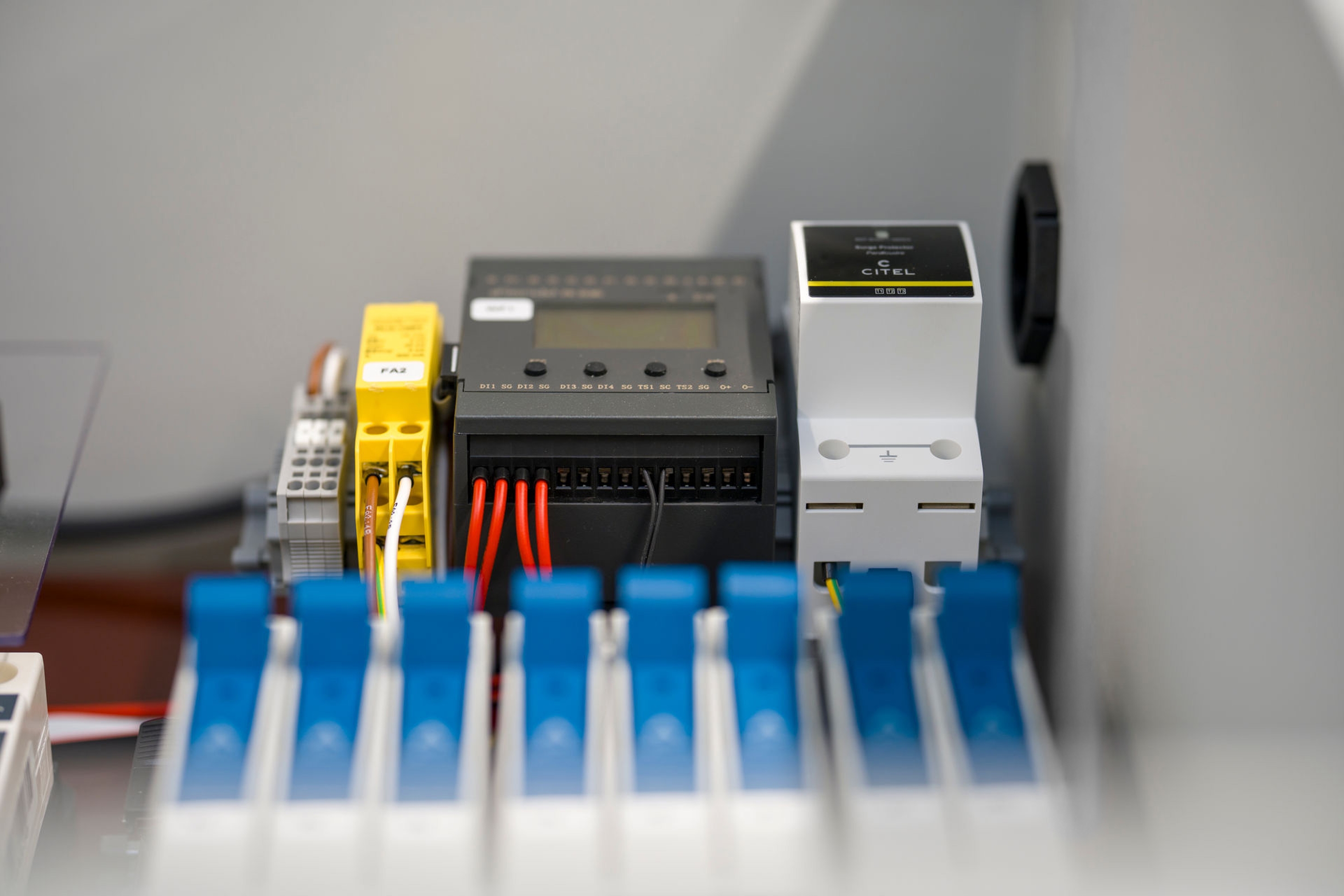
Smart monitoring in combiner boxes
Detect problems at an early stage, optimize yields and reduce maintenance costs - intelligent combiner boxes (GAKs) are evolving from simple protection devices to the digital control center of modern PV systems. A development that is fundamentally changing the monitoring of solar parks.
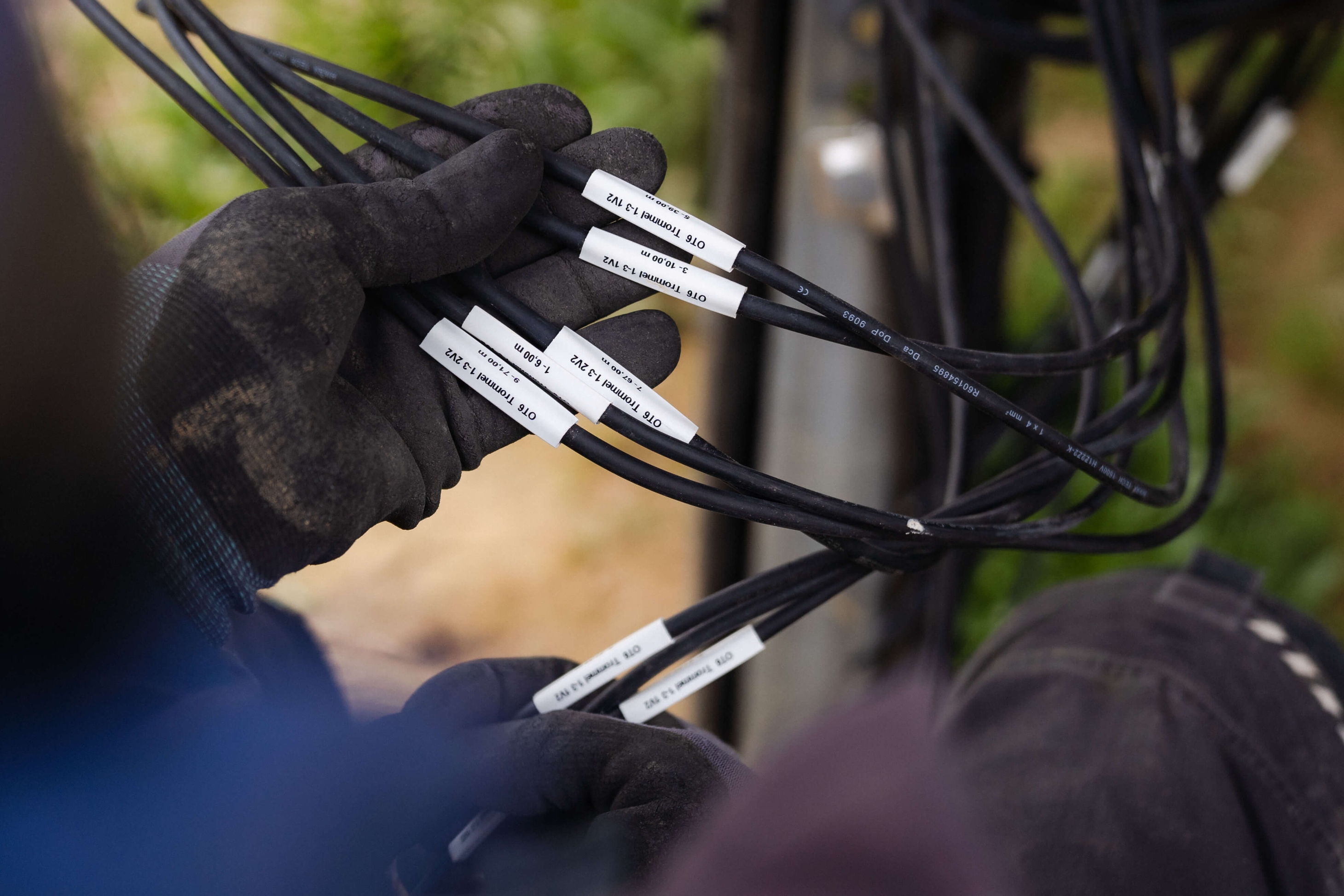
Customised cable solutions: The key to PV system efficiency
Discussions about efficient solar power plants often focus on modules and inverters. However, one often overlooked factor plays a crucial role in determining the performance and durability of the entire system: the quality and design of the cabling. Especially in large-scale projects, custom cable solutions can make all the difference.